Sleep Hygiene vs. Sleep Tracking: What Actually Improves Rest

You wake at 3 a.m., glance at your phone, and the app delivers its verdict: six hours twelve minutes, forty-one minutes of deep sleep, bedtime missed by half an hour. You felt merely awake a moment ago. Now you feel like you're failing at something. Or the reverse happens — the score glows green, the graph is beautiful, and you're still yawning through the ten o'clock meeting.
That gap between what a device reports and how you actually feel is where most sleep advice gets tangled. Two different things get treated as one: the conditions you create for sleep, and the measurement of it. Fixing the first is not the same as watching the second, and doing both at once usually means you learn nothing about either.
Sleep Hygiene Is Boring on Purpose
Sleep hygiene is an unglamorous set of conditions: a steady wake time, sensible light exposure, attention to caffeine and alcohol, a room that isn't too warm, and a wind-down that doesn't involve a glowing screen and an argument in a comment thread.
None of it is exciting, and none of it promises a perfect night. What it does is raise the floor. You stop losing sleep to things you could have controlled — the 4 p.m. espresso, the 11 p.m. laptop, the bedroom that doubles as an office. That's a modest claim, and it's the honest one. Habit changes tend to work slowly and quietly, which is exactly why they get abandoned in favour of something that produces a chart.
The Basics, Without the Folklore
Most of what genuinely helps fits on a single page. The details matter less than the consistency.
- A fixed wake time, seven days a week. This is the anchor. Keep it even after a rough night, and especially at weekends. Sleeping in until eleven on Sunday is a small holiday for you and a time-zone change for your body.
- Morning light, early. Ten minutes outside within an hour of waking does more for your internal clock than any supplement. Overcast mornings count. Sitting by a window doesn't really.
- A caffeine curfew. Caffeine lingers far longer than the alertness it buys. Early afternoon is a reasonable cut-off for most people; if you're sensitive, move it earlier and notice what changes.
- An honest look at alcohol. A drink may shorten the time it takes to fall asleep and then fragment the second half of the night. Many people only connect the two after a few sober weeks.
- A cool, dark, quiet-ish room. Slightly cool beats cosy. Airflow helps more than people expect. Total silence isn't required; a steady fan or a closed door usually is.
- Reserve the bed for sleep. If you've been awake and frustrated for what feels like twenty minutes, get up, keep the lights low, do something dull, and return when you're sleepy rather than desperate.
What Tracking Can and Cannot Tell You
Wearables and phone apps estimate sleep from movement, heart rate and sometimes skin temperature. They are reasonable at spotting broad patterns and unreliable at fine detail. Different brands score the same night differently, and stillness is not the same as sleep — lying awake and motionless often reads as rest.
What tracking does well is reveal sequences. You might notice that late, heavy meals line up with worse nights, or that the weeks you walk after dinner look steadier than the weeks you don't. Weekly averages tell a story. Single nights mostly tell you about the previous evening's anxiety.
What it cannot do is explain anything. A low score says something happened; it doesn't say what, or what to do. And it certainly doesn't diagnose a disorder.
The Cost of Watching Too Closely
There's a particular trap here, and it's easy to fall into without noticing. You go to bed early to protect your sleep number, lie awake because you're not tired yet, then check the clock to calculate how much is left. Sleep becomes a performance, and the monitoring becomes the main source of effort. Effort is the one thing sleep refuses to accept.
Some signs you've drifted into that territory: checking the score before you're fully awake, feeling personally judged by a graph, comparing your numbers to a partner's, or adding supplements and gadgets in the same week so nothing can be evaluated. If any of that sounds familiar, a two-week break from tracking is a legitimate experiment, not a defeat.
Where to Put Your Effort First
If you want a sensible order of operations, start with the boring column and stay there for a while:
- Fix the wake time for two weeks. Nothing else. Just that. Set an alarm, get up, and accept that some mornings will be grim.
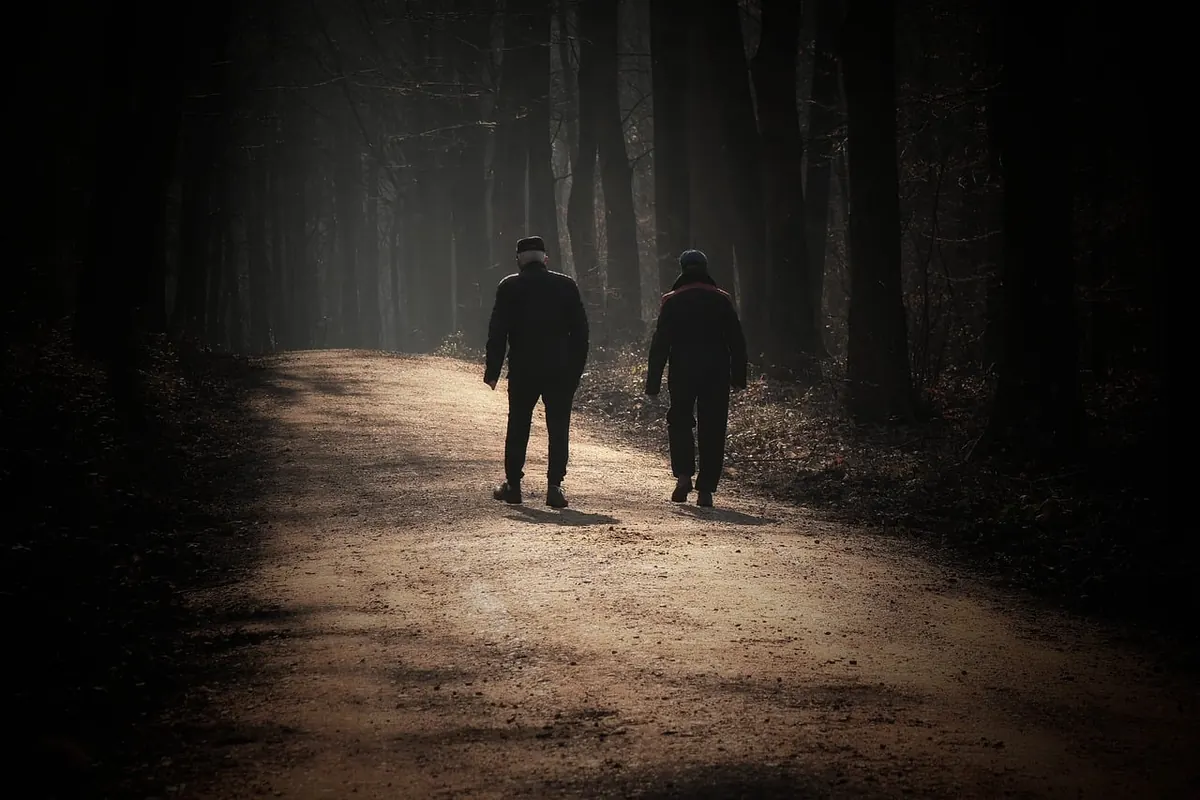
- Add morning light. A short walk, a coffee outside, a commute on foot. Ten minutes is enough to matter.
- Audit caffeine and alcohol for a fortnight and note the difference in how you feel around 3 p.m. and at bedtime.
- Deal with the room — temperature, darkness, noise, and whether it currently looks like an office with a bed in it.
- Build a wind-down of thirty to forty-five minutes that you'd actually do. Dim lights, a shower, a paper book, something with no notifications attached.
- Only then consider tracking, and only with a specific question in mind.
That sequence isn't arbitrary. Habits are cheap, available to everyone, and they change the conditions. Tracking is an observation tool. Observations taken in chaos rarely point anywhere useful.
If You Do Track, Track Like a Scientist
Write down the question first: Does my evening walk affect how I sleep? Or: Is my second coffee worth it? Then change one thing, keep everything else steady, and look at weekly averages rather than nightly scores. Give it at least two weeks — sleep is noisy, and a single bad Tuesday means nothing.
The most useful chart in most apps is the dullest one: wake-time consistency. If that line wobbles by two hours across the week, you've found your project and you don't need a subscription to solve it.
The Check That Beats Any Score
How you feel is data too, and it's data the device can't collect. Ask yourself three questions at the end of the week: How was the mid-morning stretch — clear or foggy? Did the 3 p.m. dip flatten out or flatten you? And how long did it take to fall asleep — a short drift is fine, but dropping off within minutes most nights can be a sign of accumulated sleep debt rather than excellent health.
If you snore heavily, gasp or choke in your sleep, wake unrefreshed despite giving yourself seven or eight hours in bed, or find yourself falling asleep during the day without meaning to, stop optimising and speak to a doctor. Those patterns deserve a proper assessment, and no app is a substitute for one.
Otherwise, pick one thing from the boring column. One. Run it for two weeks, and judge the result by how your mornings feel rather than by what the graph says. If your sleep is genuinely better and the app never noticed, you've still won. The point was never the number.
Photo: 51581 / Pixabay