Walking Meetings vs. Desk Breaks: Which Boosts Focus More?
By 3 p.m., the meeting room feels airless and your notes have stopped making sense. A walk sounds like the fix. But earlier, after a tense call, the last thing you needed was more stimulation; five quiet minutes away from the screen would have done more. Walking meetings and desk breaks both reset attention, but they are not interchangeable. The useful question is which one fits the work your attention needs to do next.
When Walking Meetings Help
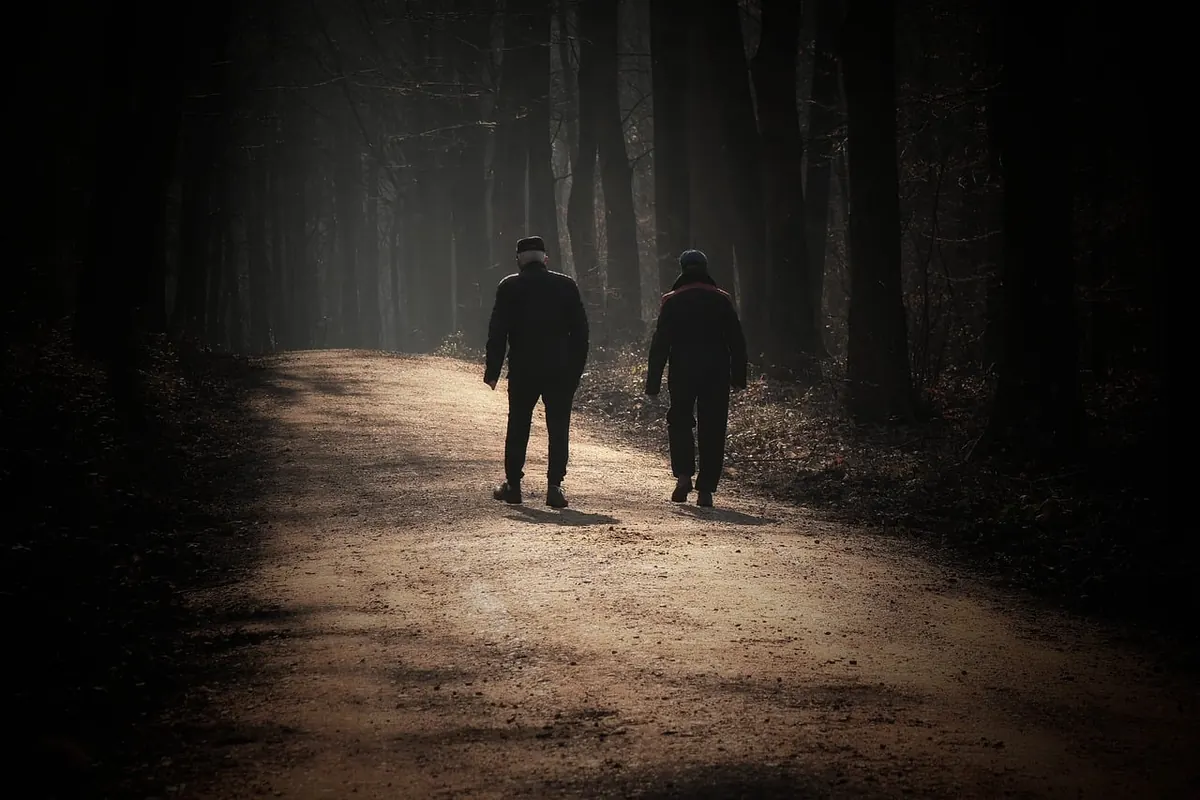
A walking meeting removes the table. You move at a conversational pace with one or two people and talk while walking. It can happen outdoors, around the block, or through a long corridor when weather or accessibility makes that the better choice. The point is not step count. It is a change of posture, place, and rhythm while the conversation continues.
This format is most useful when the problem is staleness. You have been in the same chair, looking at the same document, and your thoughts have begun to loop. Movement gives your body something to do while your mind works. A change of scene can also break fixation: a new doorway, a tree, a different street.
Walking meetings suit one-to-one check-ins, mentoring, early brainstorming, project debriefs, and conversations where side-by-side talking feels easier than face-to-face across a table. Try fifteen minutes with one clear question: What is the one decision we need to make this week? Keep the group small. Two or three people is enough; more becomes a parade with awkward gaps.
They are less useful for shared screens, detailed notes, confidential information, or stable seating. They are also a poor fit when someone is recovering from illness, has mobility limits, or simply does not want to walk. Offer the option, not the obligation. Keep the pace easy enough that everyone can talk without gasping.
If you host one, state the purpose and expected output before you leave the desk. “We’ll walk for fifteen minutes, decide between the two launch dates, and I’ll send notes afterward.” Then protect the walk from becoming a moving email session.
Where Desk Breaks Win
Desk breaks win when the problem is overstimulation. You have had three calls, forty messages, and one decision too many. Your attention is not bored; it is saturated. Adding a walk, a podcast, or a chatty colleague may be more input than you can use. A quiet pause lowers the volume.
A useful desk break is almost boring. Stand up. Look away from the screen. Take five slow breaths. Drink water. Stretch your shoulders and hands. Walk to refill your bottle and come back. The test is simple: does this break reduce input or add more? A desk break should subtract.
These breaks help after dense meetings, before a block of focused work, and when you notice yourself rereading the same sentence. They are also practical when time is tight, weather is poor, or leaving the building would create more stress than it relieves. Five minutes of silence can do more for focus than a rushed twenty-minute walk with your mind still in the last meeting.
Attention: Match the Break to the Type of Fog
Not all fog is the same. Restless fog comes from sitting too long, stale air, boredom, or low-level frustration. You feel fizzy and distracted. That is a good moment for a walking meeting or a short solo walk, because movement gives the restlessness somewhere to go.
Saturated fog comes from too much input: decisions, screens, noise, and other people’s urgency. You feel flat and overfull at the same time. That is a better moment for a desk break. Silence, water, and a few minutes without a task can help your attention settle.
Before a focus block, choose accordingly. If you are restless, take a ten-minute walk outside, then sit down with one clear task. If you are saturated, take a five-minute desk break, then start with the smallest useful step. After a difficult call, a desk break is often kinder. Before a creative session, a short walk can help if you are not already tired.
Keep breaks short enough to protect the next block. A break that turns into a forty-minute detour is not recovery; it is a new event. Set a timer if you need one. The aim is to return with a little more room in your head.
Energy and Collaboration: Use Each Format for Its Job
Walking can lift energy because it changes posture, adds gentle movement, and often puts you in daylight. It can also drain you if you are hungry, dehydrated, overheated, or already running on empty. A walking meeting in a packed day can become another performance: moving, talking, trying to seem fine. That is not a break.
Desk breaks are better when your body needs stillness or simple maintenance. Water, a snack, a bathroom stop, a stretch, or a minute of quiet breathing can be more restorative than another conversation on your feet. Do not treat every pause as a productivity trick. Sometimes the best break asks nothing of you.
For collaboration, walking meetings help when the work is open-ended. Ideas loosen when people are not staring at a screen or sitting in assigned seats. Side-by-side movement can make a conversation feel less like a presentation and more like thinking out loud. It suits “What are we missing?” and “What should we try next?”
They are not the best format for detail. If you need to review a budget, edit a document, resolve a scheduling conflict, or discuss something sensitive, sit down. Privacy matters, and so does pointing at the same line on a page. A useful hybrid: walk to discuss, then return to document decisions, owners, and next steps before you open your inbox.
For most people, a ten-minute walk at a conversational pace is a reasonable starting point, and a three-minute desk break is better than none. If you have a medical condition that affects movement, balance, or stamina, ask a qualified health professional what kind of break is safe for you.
A Quick Way to Choose
When you are unsure, run through these questions:
- Is the goal to think together or recover alone? Choose a walking meeting for shared thinking; choose a desk break for solo recovery.
- Does the work need a screen, notes, confidentiality, or stable seating? If yes, sit down or use a short desk check-in instead.
- Are you restless or overstimulated? Restless points to movement; overstimulated points to quiet.
- Is the environment suitable? Weather, safety, accessibility, and footwear all matter. A corridor walk can work; a forced outdoor march may not.
- Can you keep it short? If the break would create more pressure, make it smaller.
Make Both Work This Week
You do not need a new routine. You need a clearer choice. Try this pattern for one week:
- Book one fifteen-minute walking check-in with a colleague. Give it one question and one expected outcome.
- Put a five-minute desk break after your longest call. Screen off, water, stand, breathe.
- Before one focus block, check your fog. Restless: take a short walk. Saturated: take a quiet break.
- After any walking meeting, write down decisions and owners before you do anything else.
Notice which one leaves you more able to start the next task. That is the only comparison that matters for your own week. Walking meetings can add energy and loosen ideas; desk breaks can lower the noise and bring attention back. Use each for the job it does best, and keep both short enough to stay useful.
Photo: Tho-Ge / Pixabay